Running a small business in the USA is exciting, but without a solid budget, things can get messy fast. Costs creep up, cash flow gets tight, and decisions start becoming reactive instead of strategic. A clear, well-planned budget gives you visibility and control. It helps you manage expenses, anticipate slow periods, stay prepared for taxes, and make confident decisions about growth.
This guide breaks down practical budgeting tips for small businesses in the USA, using proven strategies and real-world best practices.
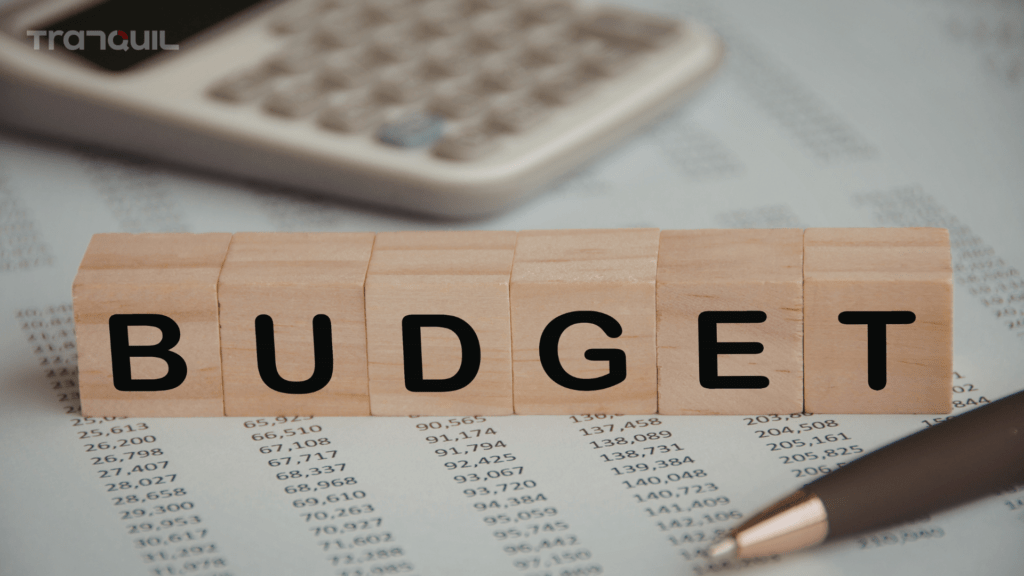
Why Every Small Business Needs a Budget
Many small businesses skip budgeting—not because they don’t care, but because owners are busy, don’t enjoy the financial side, or assume budgets are meant for bigger companies. But the truth is, budgeting is essential, especially for small businesses.
A good budget helps you:
- Predict cash flow and avoid sudden shortfalls
- Spot unnecessary spending
- Plan for payroll, taxes, and regular expenses
- Prepare for slower seasons or downturns
- Allocate funds toward growth
- Make decisions based on data not guesswork
Think of budgeting not as restricting your spending but as directing money toward things that matter most.
Core Components of an Effective Small Business Budget
Before you set a budget, you need a clear picture of your income and expenses.
- Revenue Forecasting
Estimate your expected monthly or yearly revenue. Use past financial records, market trends, seasonal patterns, and signed contracts. Be realistic—overestimating income is one of the biggest budgeting traps.
- Fixed Costs
These stay roughly the same each month and form the backbone of your operations:
- Rent or mortgage
- Insurance
- Full-time employee salaries
- Loan payments
- Utilities
- Software subscriptions
- Variable Costs
These rise or fall depending on your sales and business activity:
- Marketing and ads
- Packaging or materials
- Shipping
- Contractors or freelancers
- Sales commissions
- Irregular or Periodic Expenses
These pop up occasionally, but you can’t afford to forget them:
- Equipment repairs or upgrades
- Annual insurance premiums
- Business licenses
- Tax payments
- Bonuses
- Contingency Fund
Every business should keep 5–10% of revenue aside as a safety net for:
- Emergencies
- Sudden drops in revenue
- Unexpected repairs
- Market changes
This buffer gives you peace of mind and protects operations.
Budgeting Methods & Tools That Actually Work
There isn’t one “right” way to budget. Choose a method that matches your business style.
- Static Budget
A fixed budget for the year. Best for businesses with steady revenue.
- Flexible or Rolling Budget
Updated monthly or quarterly so you can adjust to real-time performance. Great for growing or seasonal businesses.
- Zero-Based Budgeting
Every expense must be justified from scratch. This method helps cut unnecessary or outdated spending.
- Useful Tools
Using digital tools can make budgeting much easier:
- QuickBooks Online
- Xero
- Zoho Books
- Excel or Google Sheets
These help automate tracking, categorize expenses, and reduce human error.
Smart Budgeting Tips for Small Businesses
These practical habits can strengthen your financial foundation:
- Track Every Expense
Even small recurring costs like $10 subscriptions add up. Review expenses often.
- Keep Business & Personal Finances Separate
Use separate bank accounts and cards for clean records and stress-free tax prep.
- Review Your Budget Regularly
Look at budget vs. actual results monthly or quarterly and adjust as needed.
- Plan Properly for Taxes
Include federal and state income taxes, payroll taxes, sales tax, and quarterly payments in your budget.
- Cut Unnecessary Costs
Find opportunities to save through:
- Supplier negotiation
- Automations
- Eliminating duplicate tools
- Streamlining processes
- Invest in Growth
A budget shouldn’t just cut spending—it should guide smart investments:
- Marketing
- Technology and software
- Employee training
- New products or services
- Build a Cash Flow Forecast
Know when money is coming in and going out. This helps you avoid shortages and plan spending around revenue cycles.
How to Create a Budget: A Simple Step-by-Step Guide
Step 1: Collect Financial Data
Review the past 12 months of income, expenses, bank statements, invoices, and sales.
Step 2: Categorize Your Expenses
Break them into fixed, variable, and periodic categories.
Step 3: Forecast Revenue
Create conservative, moderate, and optimistic projections.
Step 4: Allocate Spending
Set monthly or quarterly limits based on priorities.
Step 5: Add an Emergency Buffer
Reserve 5–10% for unexpected expenses.
Step 6: Review Monthly
Compare actual numbers to your budget and adjust proactively.
Budgeting Mistakes to Avoid:
These common pitfalls can throw your finances off track:
- Overestimating revenue
- Forgetting about taxes
- Ignoring irregular expenses
- Mixing personal and business finances
- Rarely reviewing your budget
- Depending only on spreadsheets
- Not having a financial cushion
- Budgeting only works when it’s updated regularly.
Create a Budget That Supports Growth
A well-built budget is more than a financial document, it’s a roadmap. It helps you minimize surprises, manage cash flow, and make smarter decisions with clarity. Whether you’re running a new startup, a service business, or a retail shop, budgeting is one of the most valuable habits you can develop.
If you need help creating a custom budget, setting up financial systems, or managing your bookkeeping, Tranquil can support you with accurate, stress-free financial management tailored for small businesses in the USA.
Frequently Asked Questions (FAQs)
- Why is budgeting important for small businesses in the USA?
Budgeting helps small businesses predict cash flow, control expenses, plan for taxes, prepare for emergencies, and make informed financial decisions. It creates financial stability and supports long-term growth.
- How often should a small business review its budget?
Most businesses review their budget monthly, while fast-growing or seasonal businesses benefit from weekly or bi-weekly reviews. At minimum, you should do a comprehensive budget review every quarter.
- What should a small business include in its budget?
A complete business budget typically includes:
- Revenue projections
- Fixed costs (rent, salaries, utilities)
- Variable costs (marketing, supplies, labor)
- Periodic expenses (taxes, licenses, insurance)
- Emergency or contingency funds
- Growth investments (marketing, tech, training)
- How can I estimate my business revenue accurately?
Use a combination of:
- Past sales data
- Market trends
- Seasonality patterns
- Confirmed contracts or recurring clients
- Conservative estimates
- Avoid overly optimistic forecasting to reduce risk.
- What is the best budgeting method for small businesses?
It depends on your business model:
- Static budgeting: best for predictable operations
- Flexible/rolling budgeting: ideal for fast-changing or seasonal businesses
- Zero-based budgeting: great for cost optimization
Most US small businesses find rolling budgets the most practical.
- How much should a small business set aside for emergencies?
Most financial experts recommend keeping 5–10% of monthly revenue or 3–6 months of operating expenses in an emergency fund. This protects against unexpected costs or slow sales periods.
- What tools can help with small business budgeting?
Popular budgeting and accounting tools in the USA include:
- QuickBooks Online
- Xero
- Zoho Books
- FreshBooks
- Excel or Google Sheets
- What is the difference between fixed and variable costs?
Fixed costs stay the same each month (rent, insurance, salaries).
Variable costs fluctuate based on business activity (marketing, supplies, production costs).
Understanding this difference helps create more accurate forecasts.
- Can budgeting help improve cash flow?
Absolutely. Budgeting allows you to predict when cash will come in or go out, plan for slow periods, avoid overspending, and prevent cash shortages. A strong budget = healthier cash flow.
- Do I need separate accounts for business and personal finances?
Yes. Using separate bank accounts and credit cards helps maintain clear financial records, simplifies tax filing, improves cash tracking, and ensures legal compliance.
- Should small businesses outsource bookkeeping or budgeting?
If bookkeeping or financial planning feels overwhelming, outsourcing is a smart, cost-effective decision. Professional bookkeepers and budgeting specialists can ensure accuracy, save time, and help your business avoid costly financial mistakes.